Syrians Demand End to Southern Incursions
Massive protests erupted across the country following the death of a disabled man during a recent military operation in the south.
By Zanele Khumalo ·
Tensions between Damascus and Jerusalem reached a new peak on Friday as citizens across Syria took to the streets. The demonstrations were a direct response to a series of recent military operations in the southern provinces. These actions have drawn sharp criticism from the public and officials alike, particularly after one incursion resulted in the death of a man with a disability. The loss has become a central symbol for the frustration felt by many working families and residents in the affected regions.
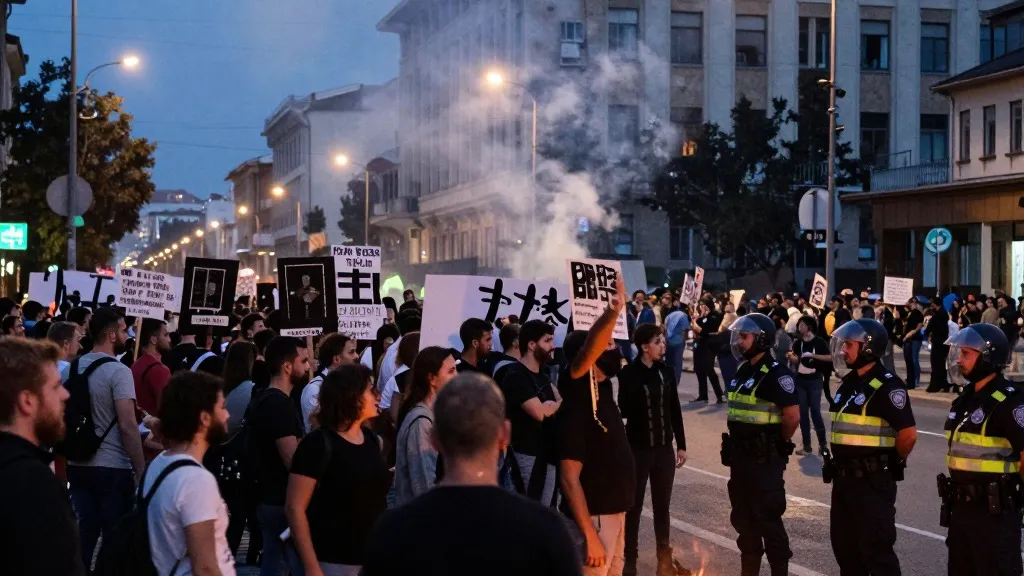
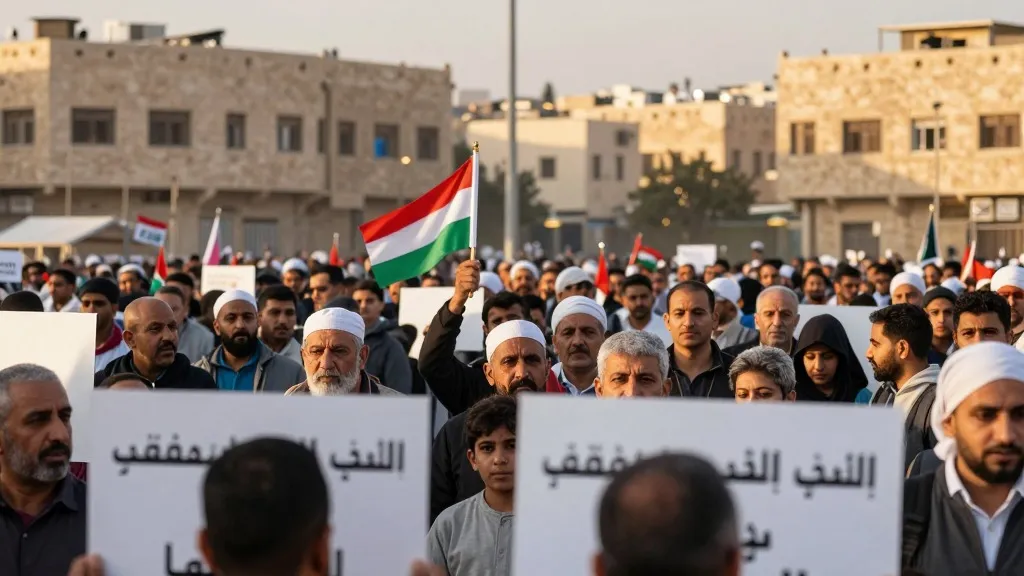
State media reported that large crowds gathered in the capital, Damascus, as well as in the central city of Homs. In both locations, participants denounced the repeated attacks and troop movements in Quneitra and Daraa. The rallies served as a unified front, signaling that the issue of border security has moved from a diplomatic concern to a matter of national sentiment. The scale of the turnout suggests a deepening engagement from the public in the ongoing dispute.
In the city of Daraa, an AFP correspondent observed hundreds of demonstrators assembled at a rally. Many waved Syrian flags while others carried signs expressing their solidarity. Taysir al-Hariri, a protester present at the event, explained the motivation behind the gathering. He stated that the crowd had come out to send a clear message to the international community. According to al-Hariri, Syria stands united against Israeli incursions and against anyone tempted to tamper with national security.
Visual evidence from state television broadcasts highlighted the emotional weight of the recent events. Marchers at various rallies carried posters bearing the slogan, We are all Moaz. This phrase references the man with special needs who was killed by Israeli fire a day earlier. The incident occurred during an incursion in Daraa province and has since become a focal point for the protesters' demands for accountability and an end to the violence.
The human cost of the conflict was further illustrated outside a United Nations building in Damascus. The family of a Syrian man seized by Israeli forces gathered there to demand his release. The presence of children holding up posters that read, I want my dad, added a poignant dimension to the diplomatic standoff. These families are part of a growing number of residents whose daily lives have been disrupted by the ongoing military presence in the south.
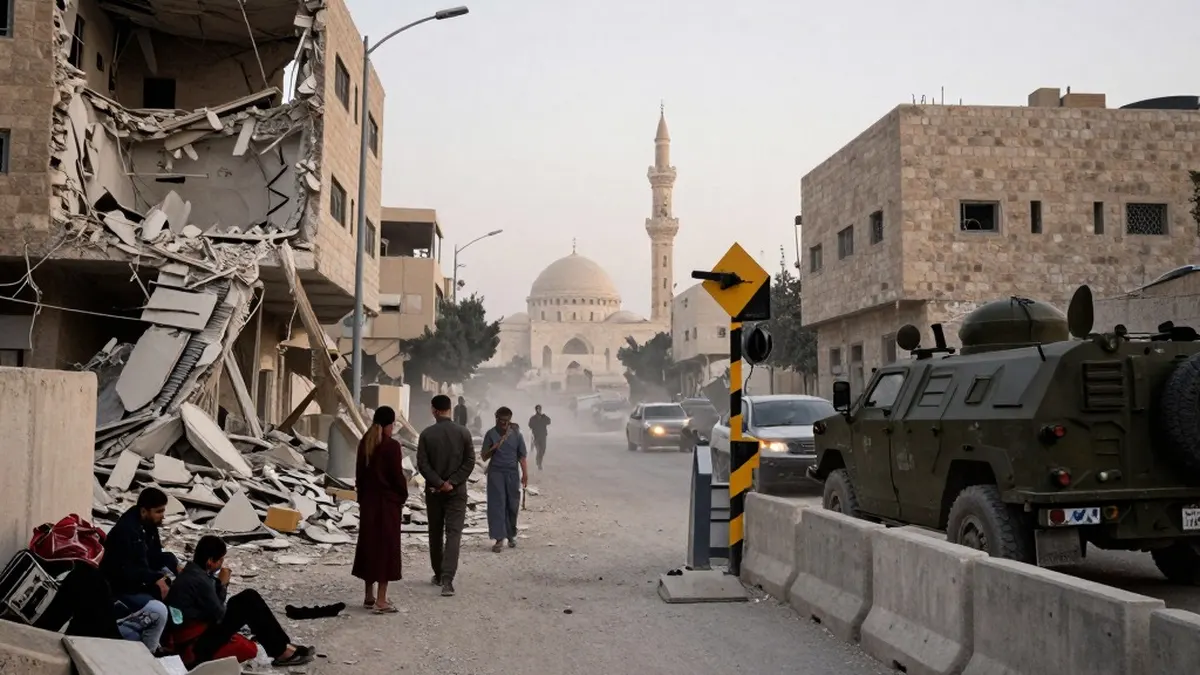
On the ground, the physical impact of the incursions remains significant. State media reported on Friday that Israeli forces had advanced into part of Quneitra province. They blocked several key roads, effectively controlling movement in the area. In some locations, troops bulldozed olive groves, a move that has economic implications for local farmers. Additionally, checkpoints were established, and residents were detained, further straining the relationship between the occupying forces and the local population.
The current situation is part of a broader pattern that has emerged since the political landscape in Syria shifted. The Israeli military has carried out hundreds of strikes in the country and made frequent incursions into its territory. This activity intensified after the new government took power in December 2024, following the ouster of longtime ruler Bashar al-Assad. The change in leadership did not appear to slow the pace of military operations along the border.
The strategic dimension of the conflict involves long-standing territorial arrangements. Israeli troops entered a UN-patrolled buffer zone that had separated the two forces on the Golan Heights since 1974. This area had served as a critical separation line for decades. The move into this zone marks a significant shift in the military posture in the region, complicating efforts to restore stability and normalcy to the border areas.
Looking ahead, the path to de-escalation remains unclear. Israel has vowed to keep troops in a designated security zone in southern Syria. The military seeks to establish a broader demilitarized area in the region. As the new government in Damascus navigates its first year, it faces the challenge of balancing domestic expectations with the realities of a persistent military presence on its southern border. The coming weeks will likely see continued pressure from both sides as they define the terms of their coexistence.
Source: Middle East Eye