50 yards: The distance Trump says a warship will stop from Cuba's coast
The State Department has invited Cuban citizens to contact the CIA directly, while the President suggested naval forces are ready to intervene near the island's shoreline.
By Khalid Rahman ·
For residents of Cuba facing rising costs and shrinking medical access, a new channel of communication is now open. The U.S. State Department has formally invited citizens who desire political change to establish direct contact with the Central Intelligence Agency. This move signals a significant shift in diplomatic strategy, moving from passive observation to active recruitment of local partners in the island nation.
Secretary of State Marco Rubio announced the initiative on social media on Friday. He addressed Cubans who seek to create positive change, stating that the current moment is the right time to act. Rubio highlighted specific frustrations, including the disappointment of broken promises, widespread corruption, and the privileged lifestyles of a small elite. He urged readers to seize the opportunity to drive desired changes through a discrete partnership with the CIA.
The intelligence agency quickly amplified the message. The CIA reposted Rubio's statement on its official social media accounts. The agency also published a similar appeal in Spanish to reach a broader audience. These posts included a video that provided step-by-step instructions for how ordinary citizens could reach out to the agency. The directness of the invitation marks a distinct departure from previous, more cautious diplomatic engagements.
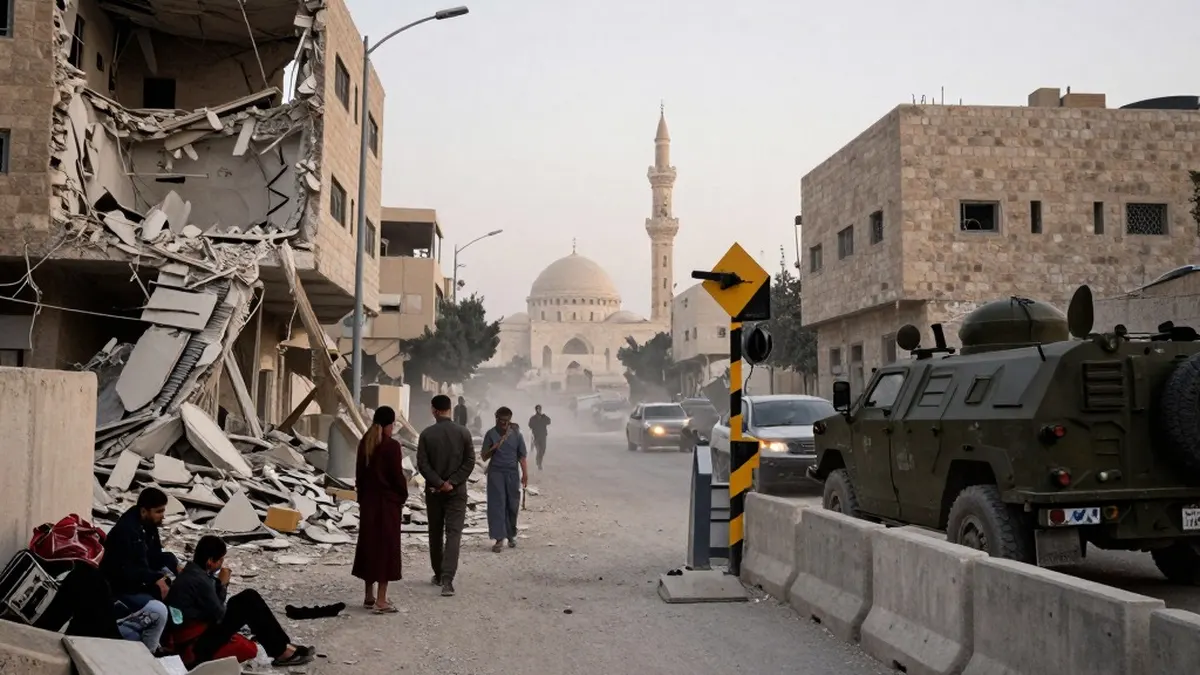
This outreach occurs against a backdrop of intense economic strain for the Cuban population. The island continues to struggle under a strict U.S. embargo and a series of sanctions designed to pressure the communist government. Prices for basic necessities have climbed sharply, placing a heavy burden on working families. Access to medical care has also contracted, forcing many residents to endure long waits for treatment.
Reports from the ground describe hours spent in lines for bread and other staples. These scenes of daily scarcity underscore the economic realities that the new diplomatic push aims to address. The combination of high prices and limited healthcare resources has heightened the desire for change among many Cubans. The U.S. government appears to be leveraging these conditions to encourage cooperation with its intelligence service.
Economic pressure intensified last week with the announcement of additional sanctions. The U.S. government targeted Cuba's state-run bank, citing its ties to Iran. This financial measure adds another layer of complexity to the island's economy. It further restricts the flow of money and resources, potentially deepening the hardship faced by ordinary citizens. The timing of this announcement aligns with the broader push for political transition.
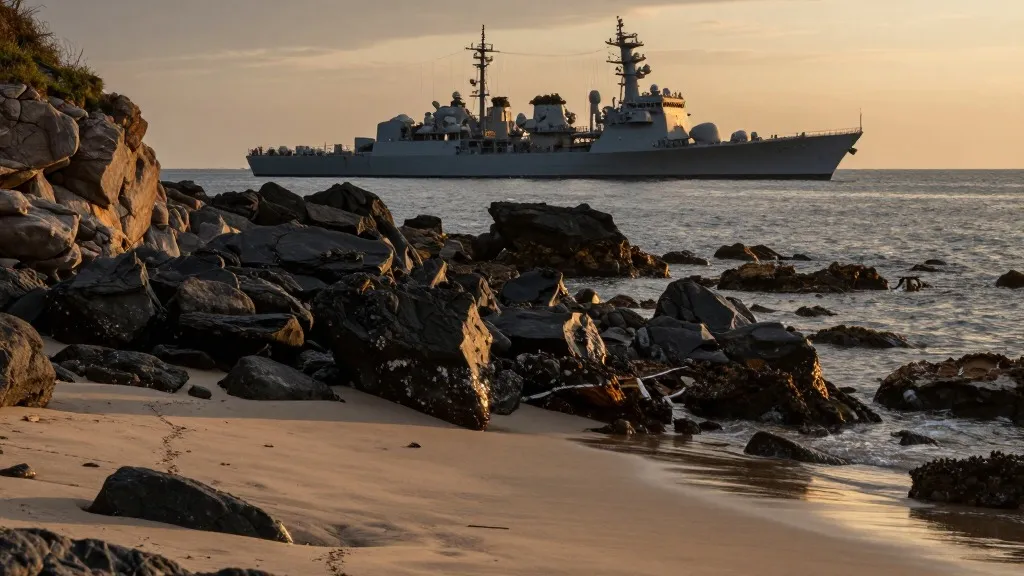
President Trump addressed the situation directly at a campaign rally in South Florida on Friday. He linked the Cuban issue to other regional conflicts, stating that the U.S. would take care of Cuba on the way back from Iran. The President referred to U.S. Navy warships currently deployed near the Strait of Hormuz. He suggested that these naval assets are positioned to influence events in the Caribbean region.
Trump offered a vivid description of how the military presence might translate into political action. He noted that the ships would pass by Cuba and that one would stop approximately 50 yards off the coast. He predicted that the Cuban government would raise its hands in surrender. The President then said he would send Marco Rubio to finalize the arrangement. This scenario outlines a potential rapid resolution to the long-standing standoff.
Cuban officials have responded firmly to the new rhetoric. Foreign Minister Bruno Rodríguez Parrilla posted on social media on Friday to reject the approach. He stated that the island rejects any threats stemming from U.S. ambitions toward Cuba. The minister emphasized the physical nature of the coastline, noting that while it features beautiful beaches, it is also rugged. He described the terrain as inhospitable to those arriving with hostile intentions and a desire for domination.
Source: CBS News