Protesters Storm Tirana Government Buildings Amid Escalating Clash with Police
Thousands of Albanians took to the streets in the capital, demanding the resignation of Prime Minister Edi Rama as police deployed heavy tactics to disperse the crowd.
By Wei Zhang ·
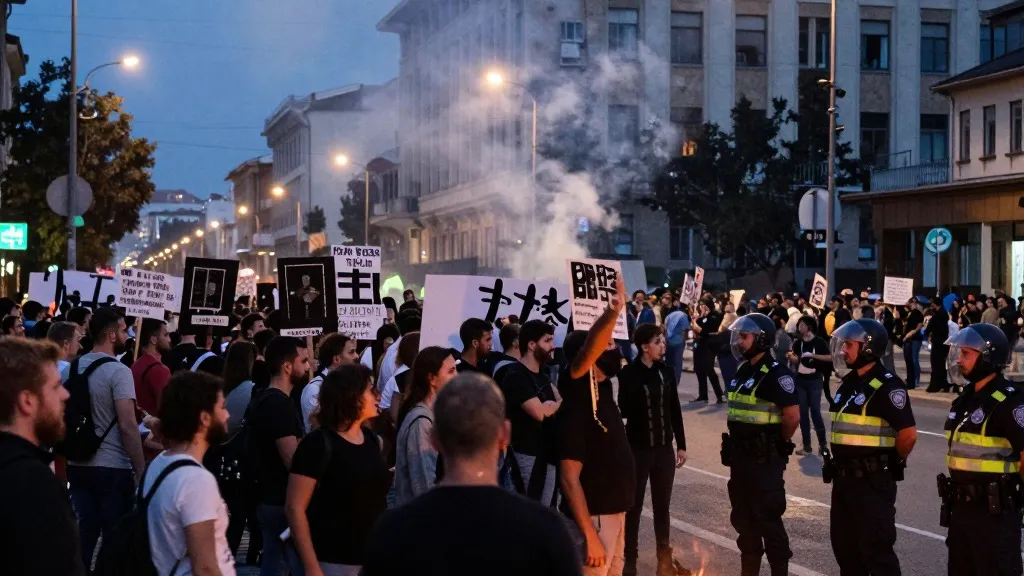
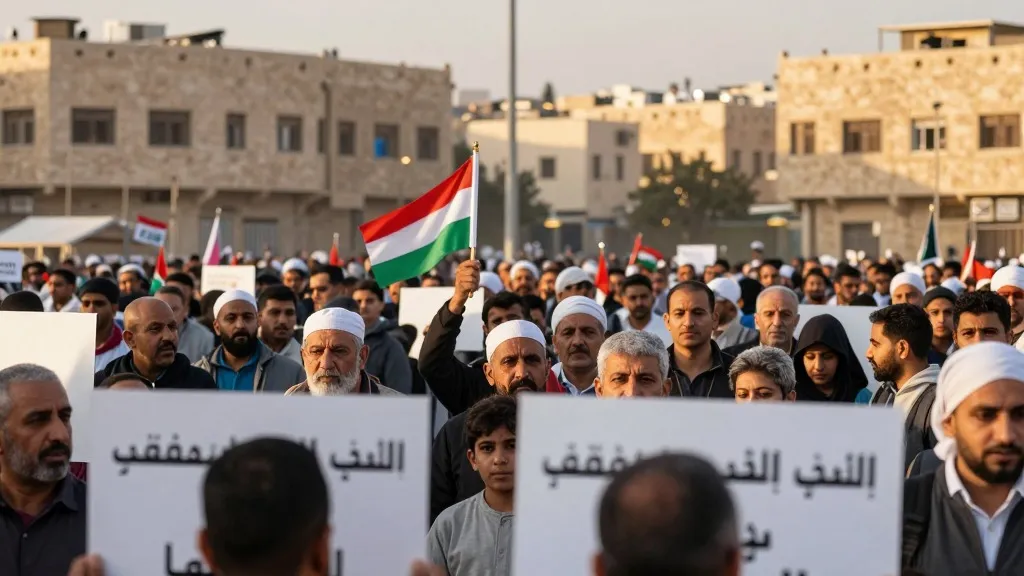
Prime Minister Edi Rama found his administration at the center of a new and volatile confrontation in Tirana as thousands of demonstrators challenged the government on Saturday. The rally, which drew participants from across Albania, quickly shifted from a organized march to a chaotic standoff with law enforcement. Police deployed water cannon, tear gas, and rubber bullets to manage the crowd, marking one of the most intense clashes since the current wave of unrest began. The physical toll was significant, with authorities reporting that more than 300 individuals, including both protesters and officers, sustained injuries. Dozens of demonstrators were taken into custody as the situation deteriorated in the city center.
The escalation on Saturday followed a period of relative calm in recent days, but it signaled a renewed surge in public frustration. Organizers had issued a strong call to action, urging students and citizens from various regions to converge on the capital. The turnout reflected a broad coalition of dissatisfaction, with local media noting that police had tightened security measures around Tirana. This included increased checks on vehicles entering the city, suggesting authorities anticipated a significant show of force from the public.
The Ministry of Education emerged as a primary target during the demonstrations, reflecting the specific grievances that sparked the movement. Protesters, many of whom are students or linked to educational institutions, directed their anger at the building where educational policy is shaped. The intensity of the sentiment was visible as members of the crowd hurled stones at the structure and pushed burning waste bins toward its entrance. This focus on schools highlights how the broader economic and political crisis has intersected with concerns over the quality of public services and the daily realities of students.
The current unrest is part of a sustained campaign that has kept the political landscape in flux since May. The initial spark was news of a luxury hotel project connected to the family of United States President Donald Trump, a development that fueled suspicions of corruption. Over the past months, this anger has evolved into a wider movement addressing the high cost of living and perceived systemic issues. The coalition has grown to include university professors, artists, and opposition parties, all of whom announced their support for Saturday’s rally. This diverse grouping underscores that the protest is no longer a single-issue campaign but a comprehensive challenge to the political establishment.
In response to the growing pressure, Prime Minister Rama has sought to frame the conflict as a struggle against external influences. He has accused foreign actors, specifically naming Russia and Iran, of driving online misinformation to fuel the violence. Despite these accusations, the prime minister has also extended an olive branch by calling for dialogue. On Saturday, this invitation was made literal with the placement of red cushions outside the government headquarters, a symbolic gesture intended to encourage conversation. The protesters, however, rejected the offer, setting the cushions on fire in a display of defiance that underscored the deepening divide between the state and the citizenry.
The demonstrations have also become a platform for critiquing the entire political class, not just the ruling Socialists. While the primary demand is for Rama’s resignation, some demonstrators carried signs criticizing Sali Berisha, the leader of the centre-right opposition. This suggests that the public is looking for a generational or systemic shift rather than a simple change in leadership. The involvement of key figures from both sides of the political aisle in the rhetoric of the protests indicates a widespread loss of confidence in traditional political structures.
As the smoke cleared from Saturday’s events, the outlook for Albania remains uncertain. The repeated clashes since mid-October have established a pattern of escalation and de-escalation that keeps the nation on edge. With the government holding firm on its narrative of external interference and the protesters demanding immediate structural change, the path to resolution is complex. The focus on working families, public health, and education continues to drive the narrative, reminding the country that the stakes extend far beyond the walls of the government headquarters.
Source: Al Jazeera