Saudi Arabia Intercepts Houthi Missiles Targeting Holy Cities
Debris from intercepted projectiles landed in Jeddah and other western cities as the Houthis claimed attacks on key oil and aviation infrastructure.
By Ji-eun Choi ·

Saudi Civil Defense confirmed on Saturday that the kingdom successfully intercepted two ballistic missiles launched by the Houthi movement toward the regions of Mecca and Medina. The interception occurred as debris from the projectiles scattered across several locations, with reports placing falling fragments in Jeddah, Taif, and Rabigh.
The defensive action followed a series of offensive announcements by the Yemen-based group. On the same day, Houthi officials declared attacks on critical Saudi infrastructure, focusing on the energy sector and major air travel hubs. The list of targeted sites included a Saudi Aramco facility in Yanbu and the Rabigh oil refinery, both of which play central roles in the national supply chain.
Yahya Saree, the military spokesperson for the group, detailed the scope of the offensive. He stated that the strikes also extended to the aviation network, specifically targeting King Khalid International Airport in the capital, Riyadh. Saree added that King Fahd International Airport in Dammam, along with Najran airport and an air base in Khamis Mushait, were included in the wave of attacks.
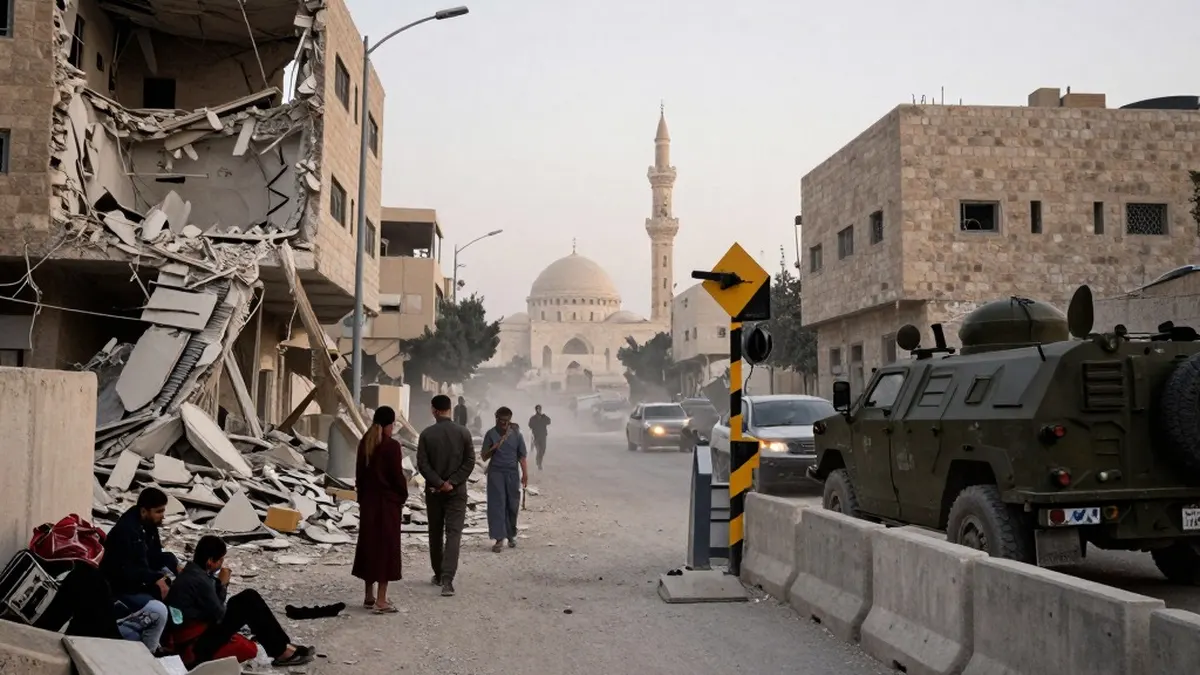
The exchange of fire coincided with reports of ground-level impacts in Yemen. Earlier on Saturday, the Saba News Agency, which is linked to the Houthis, cited the National Commission for Human Rights in Yemen. The commission formally condemned the Saudi military over strikes conducted in the Yemeni capital, Sanaa.
The Houthi-affiliated media described the events in Sanaa with strong language, characterizing the incident in the Asr neighborhood as a massacre. They also reported a direct strike on a cement factory located in the Hamdan district of Sanaa Governorate. These reports highlight the continued reciprocal nature of the conflict between the two nations.
This latest escalation arrives during a period of heightened caution from the United States. The State Department updated its travel advisory for Israel on Friday, signaling an increased threat environment. The notice specifically warned American citizens about the potential for armed attacks by Iran-backed Houthi forces and the possibility of a rapid expansion of regional hostilities.
Despite the updated warnings, the overall travel classification for Israel remains at Level 3. This level urges U.S. citizens to reconsider their travel plans due to risks associated with terrorism and unrest. The existing risk indicators and specific restrictions on movement to certain areas of the country have not been altered by the new advisory.
In its documentation of the armed conflict, the State Department referenced the history of Houthi operations against Saudi Arabia. The agency cited previous incidents where strikes on civilian airports and critical infrastructure led to casualties among non-combatants and caused significant disruptions to travel networks.
The current situation underscores the strategic importance of protecting both civilian centers and economic infrastructure. As debris falls in western Saudi cities and new targets are claimed, the focus remains on the immediate safety of residents and the continuity of vital services in the region.
Source: The Jerusalem Post