U.S. Iran Conflict: Analysts Predict Costlier Third Phase After Midterms
Strikes on Gulf energy infrastructure and undersea cables are expected to follow the Nov. 3 vote, according to regional experts.
By Zanele Khumalo ·
Danny Citrinowicz, a former Israeli intelligence official now with the Institute for National Security Studies, projects that the United States and Israel will resume military operations against Iran immediately after the Nov. 3 midterm elections. He told CBC News that a renewed war is "almost inevitable" and that the third phase of the conflict will target economic lifelines rather than just military assets.
The financial stakes are high because the anticipated strikes focus on Gulf energy facilities, civilian infrastructure, and communications lines. Citrinowicz specifically identified undersea internet cables running beneath the Strait of Hormuz as primary targets. He also expects Iran to deploy limited ground forces into Kuwait and Bahrain to disrupt U.S. economic interests. These moves aim to inflict maximum damage on the American economy by raising global energy costs and disrupting logistics.
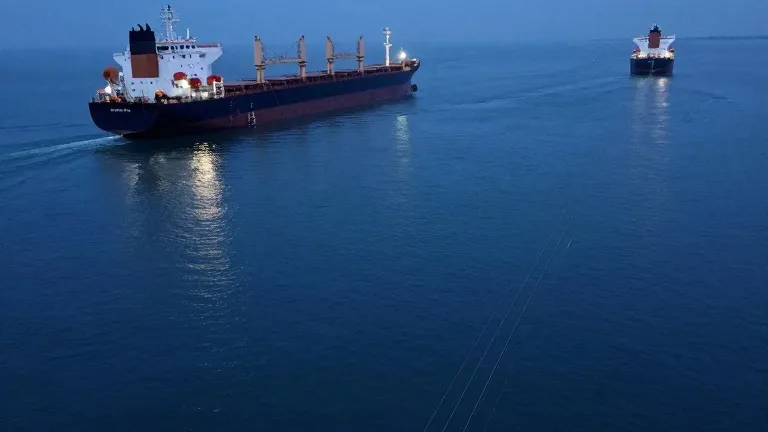
The conflict has already impacted markets and supply chains. Since the summer truce collapsed, the U.S. has blockaded Iranian ports while Tehran has targeted commercial shipping in the Strait of Hormuz. On Thursday, President Donald Trump accused Iran of artificially inflating oil prices before the election. He claimed on Truth Social that the country was "making up fake hits, mines and everything else." A report from the Critical Threats Project and the Institute for the Study of War agreed that vessel attacks are designed to pressure Washington into meeting Iranian demands for sanctions relief and frozen asset releases.
Human costs have risen alongside economic strain. Western NGOs report more than 7,000 deaths in Iran, while Lebanese media cite over 4,000 casualties in Lebanon. The U.S. has lost 21 service members, mostly in strikes on Gulf bases, and Israel has recorded more than 70 deaths. Casualties have also been confirmed in the UAE, Saudi Arabia, Iraq, and Yemen. The Pentagon is currently drafting a new battle plan, though approval from the White House remains pending.
Political calculations in Jerusalem and Washington may drive the next escalation. Prime Minister Benjamin Netanyahu has spoken of "finishing the job" and faces a close domestic election in the coming days. Citrinowicz noted that a widening crisis could help Netanyahu secure an emergency unity government. Conversely, Karim Sadjadpour of the Carnegie Endowment for International Peace argued that diplomacy has narrowed but not vanished. He stated that Iran would likely compromise only under existential economic pressure paired with a limited diplomatic exit, noting that asking the regime to change its identity would not succeed.
Source: CBC News
More Business · World news · Customer Complaints · Report a business