Tesla's FSD Count Relies on a Metric Tied to Elon Musk's Pay
A new Tesla report reveals that its 1.74 million Full Self-Driving figures include one-time buyers, a counting method aligned with executive compensation goals.
By Thomas Reynolds ·
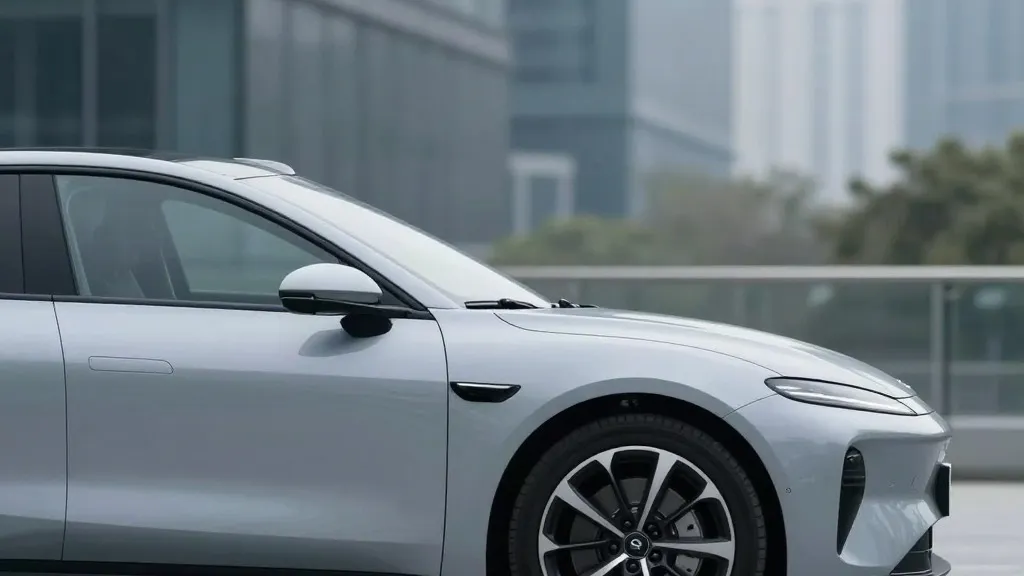
Tesla's latest financial disclosure offers a significant update on its autonomous driving ambitions, but the numbers require a closer look at the fine print.
The company reported 1.74 million active Full Self-Driving subscriptions for the third quarter of 2026, a 67 percent increase from the same period last year. This figure is presented as a key indicator of software adoption. However, a footnote in the shareholder letter clarifies that this metric follows the definition set for the 2025 CEO Performance Award. Consequently, the count includes both monthly subscribers and owners who purchased the software upfront. This means that drivers who paid up to $15,000 for the package years ago are statistically grouped with those currently paying $99 monthly, provided their vehicles remain active.
This accounting method raises questions about the true momentum of the subscription model. Tesla ceased selling FSD as a one-time purchase in February 2026, meaning all new customers must subscribe. Yet, the company has not disclosed how many of the 1.74 million users are actually paying the monthly fee. The distinction matters because reaching 10 million active subscriptions is a specific milestone required for Elon Musk to earn portions of his compensation package. Additionally, many of these counted users were originally sold the promise of unsupervised self-driving, a capability Tesla has not yet fully delivered.
The same alignment with executive pay appears in other metrics. Tesla's cumulative delivery figure, now at 10.2 million, includes unsupervised robotaxis in commercial operation to match a 20 million vehicle milestone in the award. In North America, the company claims a 75 percent attach rate for FSD on new deliveries, up nearly 20 percentage points from the previous quarter. While Tesla suggests this demand is driving sales, the letter does not define whether this rate accounts for introductory offers or long-term retention, nor does it specify if free trials are excluded from this specific calculation.
The pace of subscription growth provides further context for the 10 million target. Tesla added 260,000 net subscriptions in Q3, its highest quarterly gain to date. If this rate continues, it would take approximately eight years to reach the milestone. At the average rate of the last 12 months, the timeline extends to nearly 12 years. The compensation award remains active until 2035. As of June 30, Tesla considered only the 20 million delivery target probable for achievement.
Analysts note that while including upfront buyers is not inherently incorrect, labeling them as "subscribers" in a report tied to executive pay can obscure the revenue reality. The board approved this definition, and the company's refusal to break down the monthly payer count leaves investors with limited visibility into the actual recurring revenue stream from the software.
Ultimately, the 75 percent attach rate remains the most compelling claim regarding market penetration. If this take rate holds up over time, it would represent a substantial business. However, without clarity on retention rates for those who started subscriptions in previous quarters, the long-term viability of the $99 monthly model remains an open question.
Source: Electrek