Treasurer Chalmers expects lower growth forecasts as oil hits US$113
Fuel costs rose by 60 cents per litre following Middle East attacks, adding $36 to a standard tank fill and complicating the December budget update.
By Jonathan Pierce ·
Treasurer Jim Chalmers acknowledged on Friday that Treasury officials are preparing to cut their economic forecasts. The reduction will be part of the mid-year budget update in December. It predicts slower growth and higher unemployment than previously estimated. This follows a speech last week where Chalmers suggested the economy would be only a bit better in a year.
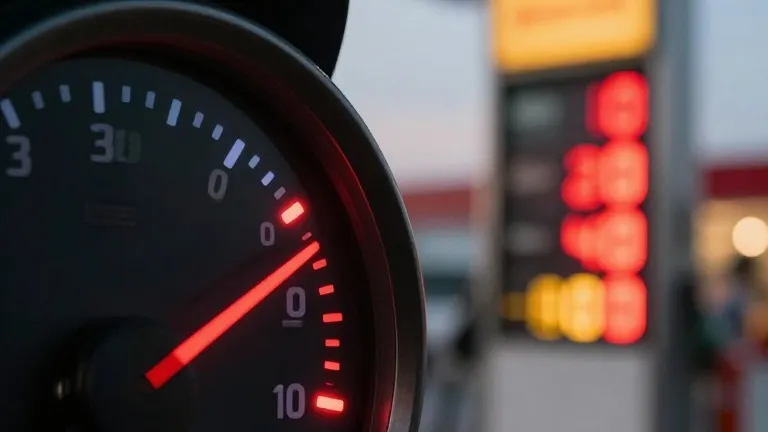
The primary driver of this shift is a widening conflict in the Middle East. The global benchmark oil price rose overnight to US$113 a barrel. This price is close to the April peak of nearly US$120. Australian motorists now pay 60 cents more per litre than they did before the United States and Israel attacked Iran.
For a typical household, the impact is tangible. The increase adds $36 to the cost of filling a 60-litre tank. A family that fills up their car weekly faces an extra $144 in fuel costs per month compared with February.
The risk of further escalation remains high. The New York Times reported that the US and Israel have drawn up plans to resume attacks on Iran after the American midterm elections. Westpac analysts have outlined a scenario where oil prices reach US$150. This possibility echoes warnings from the International Monetary Fund earlier this month. Such a spike would strongly affect inflation and interest rates. A fifth rate rise is possible on 3 November.
Global markets are also losing a key support. Heavy spending on artificial intelligence has masked other economic weaknesses. Investors are now concerned about a sharp rise in corporate debt needed to build AI infrastructure. This anxiety triggered a steep sell-off on Wall Street overnight. Community opposition to datacentre construction may slow the build-out. Talk of a tech stock bubble is increasingly paired with talk of a bust.
Reserve Bank Governor Andrew Hauser described the mix of high inflation, low growth, and rising unemployment as a central banker's nightmare. It is also a difficult position for a treasurer who needs a win with the public. Chalmers told Politico that the pressures on people are very substantial and that this keeps him awake at night.
Chalmers stated that some causes lie beyond Canberra's control. He said the government is hostage to decisions taken in Washington, Tehran, and Eastern Europe. These two wars are pushing up inflation and weighing on growth worldwide. Domestic factors are also a strain. High government spending works against the inflation fight. Productivity growth is resting, meaning the economy reaches its speed limit sooner and inflation runs higher at lower growth rates.
Each available policy option carries a cost. The government could cut the fuel excise again on a temporary basis to lower petrol prices. However, the billions of dollars this would put in motorists' pockets would make it harder for the Reserve Bank to rein in inflation. Alternatively, Labor could announce large spending cuts in the December update. That would assist the central bank but weigh on an already weak economy and push unemployment higher. It is unclear if that move would earn the government credit.
Hauser has called this environment a world of hard choices. Fixing one problem worsens another. Australians are becoming familiar with this dynamic. The next move from the Reserve Bank on 3 November will test how the government manages these competing pressures.
Source: The Guardian
More Business · World news · Customer Complaints · Report a business