Tesla limits unsupervised driving to specific zones
The company revealed that customer-owned vehicles will only operate without a driver within its existing Robotaxi service areas starting in 2027.
By Lauren Collins ·
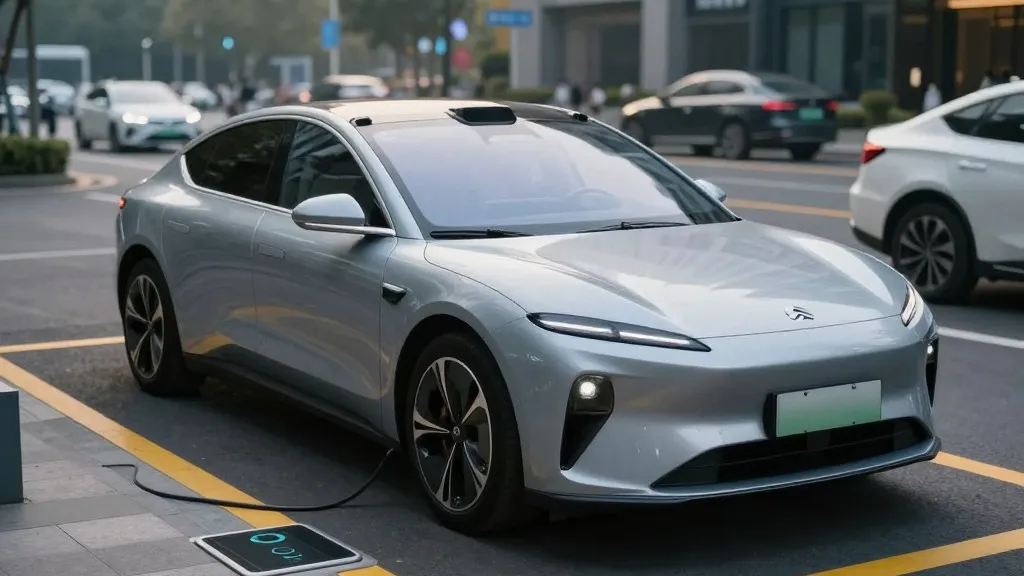
Tesla has officially set a target for second quarter 2027 to allow unsupervised Full Self-Driving in vehicles owned by customers. However, the company clarified that this feature will not be available everywhere. Instead, owner-operated cars will only drive themselves within the specific geographic boundaries where Tesla already runs its managed Robotaxi fleet. This announcement came during the company's third quarter 2026 earnings call, marking a significant shift in how the technology is being deployed.
The timeline for this capability has shifted multiple times over the last decade. In July 2025, CEO Elon Musk told investors that unsupervised personal use would be available in certain areas by the end of that year. A year prior, he expressed surprise if the technology was not ready by 2025. Now, the focus has narrowed. The system will not be a standalone software update for any location. It functions as an extension of the corporate fleet. Owners will essentially be adding their private vehicles to the company's operational network rather than gaining a universal autonomous mode.
Shareholders raised this specific issue during the recent earnings preview. A question backed by approximately 1.1 million shares asked when customers could expect unsupervised driving in their own cars. AI chief Ashok Elluswamy confirmed the 2027 date. He explained that the initial step involves integrating customer vehicles into the managed network. This means the car drives itself only where the Robotaxi service is active. Outside those zones, the driver must remain attentive.
Currently, Tesla operates its Robotaxi service in six US metropolitan areas. These service areas cover small portions of cities like Miami, Orlando, and Tampa. The routes are limited to low-speed roads and avoid highways. In the Bay Area, a safety driver is still required in every vehicle. This is because California regulations demand specific data releases from level 2 systems that Tesla prefers to avoid. The current fleet size is modest, with third-party trackers estimating only dozens of fully driverless cars on the road despite a cumulative total of nearly two million unsupervised miles by the end of the third quarter.
This new model differs from the original sales pitch. For years, buyers were told a software update would allow their cars to drive anywhere. Owners of hardware version 3 have already been informed their computers cannot run the unsupervised mode at all. The new plan restricts the feature to Tesla's controlled zones. This excludes highway trips and long-distance commutes unless the route falls entirely within a designated service area. The company cites safety as the primary bottleneck for expansion.
Looking ahead, the goal is to resolve safety issues by next year. However, the company admits uncertainty regarding the exact pace of progress. For now, the promise is narrower: your car joins the fleet in specific zones on the company's terms. This represents a move away from the broad, anywhere autonomous driving vision that has been marketed since 2016. Customers must now wait for the second quarter of 2027 to see if their vehicles can join this limited network.
The next phase depends on the company's ability to fix safety limitations. Elluswamy noted that the current restrictions to low-speed roads are necessary until those issues are resolved. The company expects to address these challenges by the following year. Until then, the unsupervised capability remains a niche feature tied to specific urban pockets rather than a universal standard for all Tesla owners.
Source: Electrek