Lula's Final Push: Red Tides and High Stakes in Brazil's Do-or-Die Runoff
A historic comeback attempt unfolds as voters face a tight race with profound implications for democracy, public health, and security.
By Valentina Cruz ·
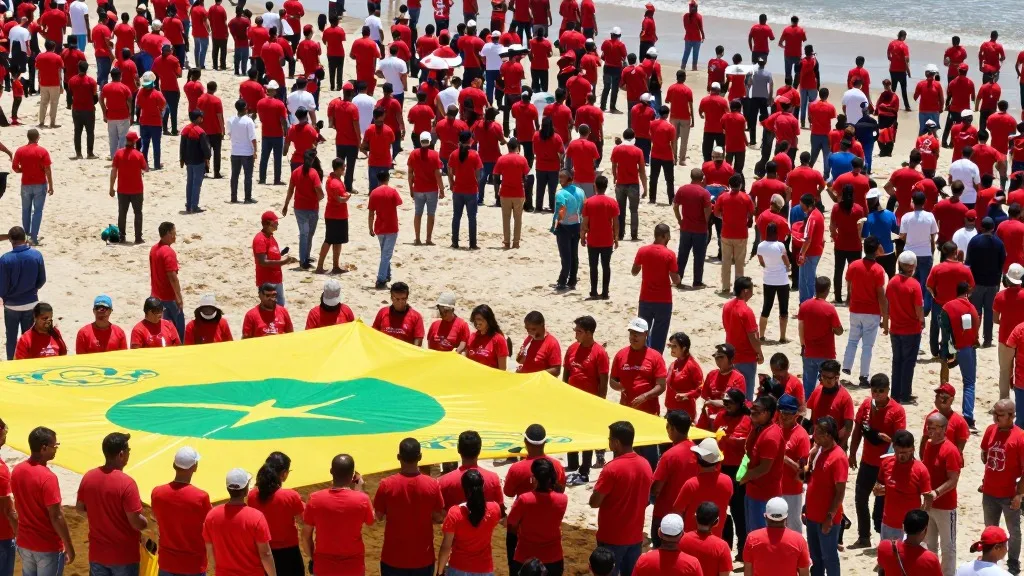
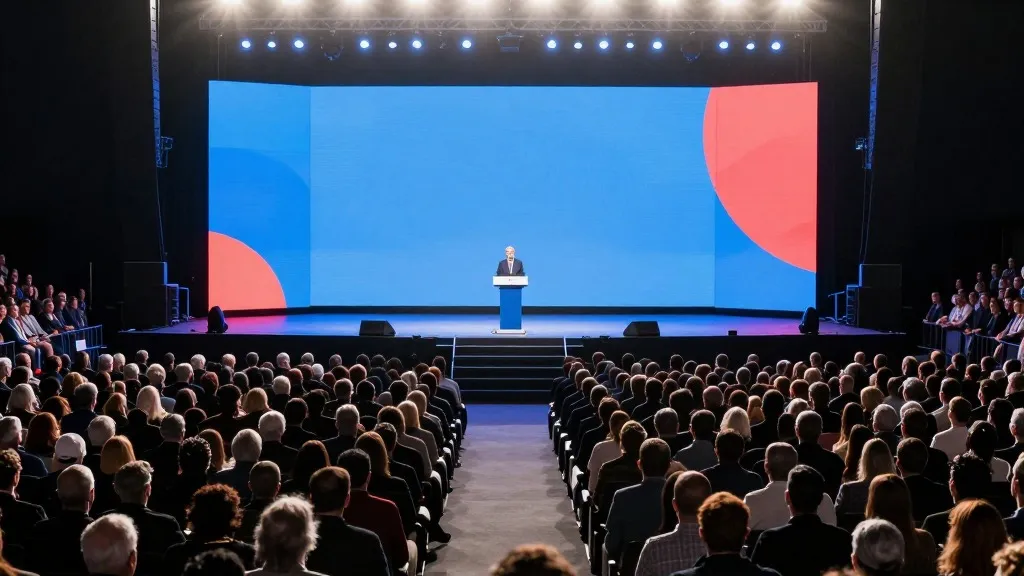
For the roughly 159 million Brazilians eligible to cast a ballot this Sunday, the choice carries weight far beyond standard electoral politics. On Saturday, tens of thousands of supporters gathered on Rio de Janeiro's Copacabana beach, clad in red to rally behind President Luiz Inácio Lula da Silva. The crowd aimed to inject momentum into the president's campaign on the final day before the decisive runoff against far-right challenger Flávio Bolsonaro. The atmosphere was festive yet urgent, with activists unfurling a massive banner declaring, "WE ARE GOING TO TURN THIS AROUND!"
The statistical odds against Lula are formidable. After Bolsonaro secured 47% of the vote in the October 4 first round, compared to Lula's 45%, most analysts view the challenger as the slight favorite. Since the return of democracy in the 1980s, no candidate who lost the initial vote has ever managed to win the final runoff. A victory for the sitting president would therefore be a historic first. Despite this, Lula has recently regained the initiative, climbing in the polls amid a series of scandals affecting his opponent.
One such controversy involves a claim by the magazine Piauí that Flávio Bolsonaro attended a boat party with sex workers and vaccine lobbyists during the peak of the 2020 coronavirus outbreak. For many voters, this incident resonates with broader concerns about leadership and public health. Restaurateur Marta Moraes, 59, noted that her opposition targets "Bolsonarismo" specifically. She recalled losing four relatives during the pandemic due to what she described as the previous administration's neglect, a sentiment shared by many who view this election as a referendum on how the crisis was managed.
The stakes are elevated by the current status of Jair Bolsonaro, the former president and Flávio's father, who is serving a 27-year sentence for plotting a coup after his 2022 defeat. Reports suggest that if his son wins, Jair Bolsonaro could be freed or even return to power. Furthermore, press accounts indicate that several of his jailed or exiled associates might receive senior military and police posts. This prospect has driven high engagement, with 10 million members joining "Lula's Army," a WhatsApp group formed after the first round. Retired teacher Isabella Gaze, 64, summarized the mood by stating, "This isn't a normal election."
Bolsonaro's supporters are mobilizing as well. In Belo Horizonte, the capital of Minas Gerais, thousands gathered in yellow jerseys and Brazilian flags. This state, home to the country's second-largest electorate, is a critical bellwether, as no candidate has won the presidency without carrying it. Bolsonaro led there by just under 5% in the first round. His backers emphasize security, with shooting club owner Antonio Carlos Costa Jr. arguing that the former president's gun laws allowed citizens to defend themselves. However, security experts counter that these looser rules diverted firearms to criminal gangs, a concern Lula's supporters highlight given the challenger's documented ties to Rio's paramilitary militias.
As the campaign concludes, the focus remains on whether the narrow poll lead can hold. Lula's team points to recent gains, while Bolsonaro's camp stresses the importance of public safety. The outcome will determine not only who leads Brazil but also the future of its democratic institutions and the status of those currently imprisoned for the 2022 coup plot.
Source: The Guardian