Obama Targets Canadian Trade Policy as Midterm Stakes Rise
The former president mocked the administration's tariffs on the northern neighbor during a campaign stop in Cleveland.
By Ishani Kapalli ·
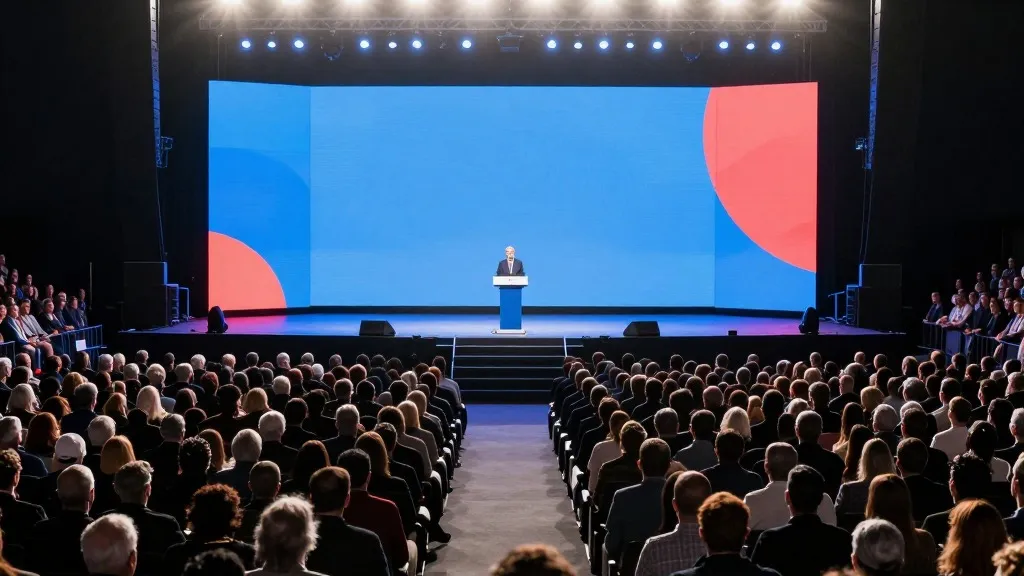
The approach of the November midterm elections has sharpened political rhetoric regarding cross-border commerce, bringing renewed attention to the economic tensions between the United States and Canada. On Saturday, former U.S. President Barack Obama addressed a gathering of Democratic supporters in Cleveland, Ohio, to critique the current administration's strategy of imposing tariffs on Canada, a long-standing ally of the United States.
Obama framed the trade dispute as a misstep by leveraging humor to underscore the relationship between the two nations. He referred to Canada as a well-known evil empire, a description that drew laughter from the audience. He noted that this is the country that provided maple syrup and the actor Martin Short to American culture, characterizing its citizens as some of the nicest people. This light-hearted tone contrasted with the serious economic implications of the policy being debated.
The former president questioned the logic behind selecting Canada as a primary target for trade friction. He described the Canadians as friendly neighbors to the north and asked why President Trump would choose to pick a fight with them. This rhetorical move aimed to highlight the unusual nature of the conflict in the eyes of voters, particularly those in border states where the effects of trade policy are most immediately felt.
Beyond the specific focus on Canada, Obama offered a broader assessment of the tariff strategy. He argued that the measures have produced the negative outcomes that many analysts had predicted. According to his remarks, American consumers are bearing the brunt of rising costs associated with the new duties. This point serves as a central theme for the Democratic campaign, linking everyday price increases to federal policy decisions.
The timing of these comments coincides with significant developments in trade negotiations. On Friday, President Trump announced an intention to lift tariffs on certain Canadian products. However, Canadian Trade Minister Dominic LeBlanc suggested that the progress may not translate into a final agreement before the November 3 vote. LeBlanc stated that Ottawa does not anticipate a concluded deal in time to influence the election outcome directly, indicating that the uncertainty remains a factor for voters.
The current standoff is part of a larger pattern of retaliatory tariffs that have been in place since the administration launched its levy campaign last year. The initial justification for these measures was to combat alleged fentanyl trafficking and address trade imbalances. Negotiations between the two sides collapsed in August, leading to the sustained economic friction that now dominates the political discourse. The breakdown in talks has left both nations in a state of ongoing trade tension.
President Trump has consistently used Canada as a focal point in his own campaign appearances. In a speech in Highland Heights, Kentucky, on October 17, he expressed confidence that a deal would eventually be reached, describing it as amazing. He contrasted this future hope with what he described as years of financial loss for the United States. He claimed that the U.S. had lost billions of dollars and that Canadian negotiators felt emboldened by the situation.
During that same appearance, Trump engaged directly with the political leadership in Ottawa. He referred to former Prime Minister Justin Trudeau as a loser, a comment that was met with cheers from the crowd. He then shifted his focus to the current Prime Minister, Mark Carney. Trump described Carney as a nice guy generally, but noted that he becomes less friendly when trade issues are at hand. He concluded by stating that the Canadians are learning and suffering, a phrase that encapsulates the administration's view of the current trade dynamic.
Source: CBC News