Blue Planet III retains murky shots to prove footage is authentic
Executives say they kept imperfect water conditions and debris in the final cut to counter skepticism about AI-generated imagery in the new documentary series.
By Noor Haddad ·
The producers of the new BBC nature series Blue Planet III have deliberately preserved cloudier and less polished footage to verify its authenticity for viewers. They stated that this approach is designed to reassure audiences that the visuals are real, a move made in response to the increasing prevalence of artificial intelligence generated media.
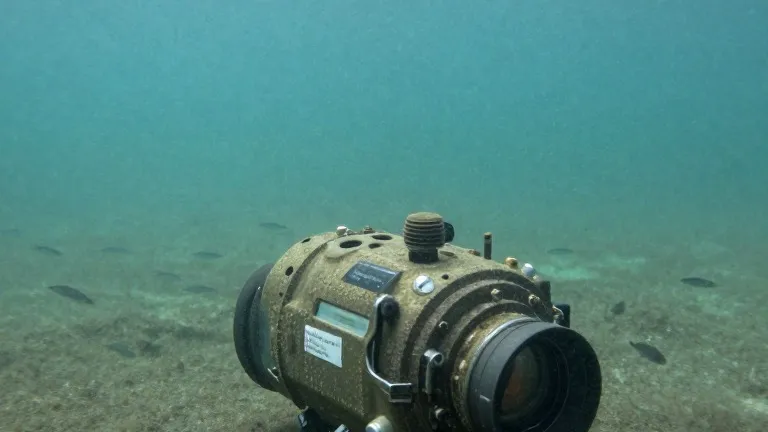
The series arrives nearly ten years after Blue Planet II and 25 years after the original broadcast. The natural history unit is introducing new technology, including the world's first underwater CCTV camera, which the team has nicknamed the stonefish cam. This equipment allowed filmmakers to capture specific animal behaviors without disturbing the subjects.
Executive producer Elizabeth White explained that the rise of AI has pushed the team to embrace a more organic aesthetic. She noted that the creatures filmed in the deep ocean are likely more remarkable than what AI can currently imagine. White said, AI makes us want to be even more authentic. In previous productions, editors often removed shots containing plankton, boats, or buoys. The current team has kept these details to lean into the raw reality of the footage.
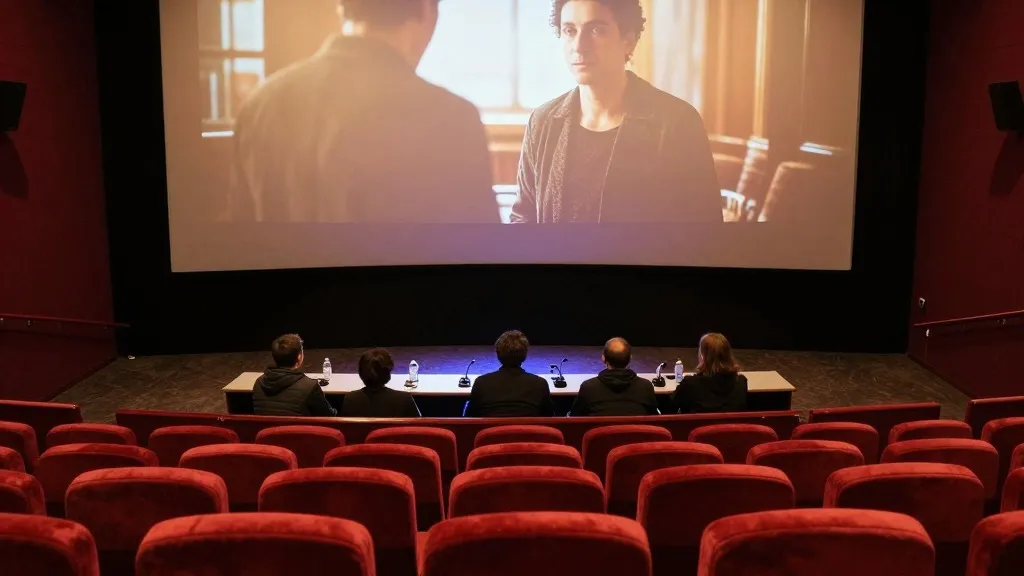
Jack Bootle, the BBC's head of specialist factual commissioning, provided a specific assurance to journalists at a press screening. He stated, No gen AI was used in this series. Not a single frame. It's all real photography. Bootle added that the series is bursting with novel behavior, despite viewers feeling they have seen similar content in the past.
Filming took four years across five oceans. The production team developed specialized tools, including a mini-dome camera to follow an octopus and a deep-sea selfie stick. Camera operators also used leg-mounted scooters to capture immersive diving footage. The series documents new sightings such as dolphins using sea sponges to trap fish and sea urchins using shells for shade.
The program also addresses environmental threats, showing how warmer seas are killing sea anemones and how clownfish attempt to repair their homes. A segment on plastics continues the theme from the second series by examining pollutants and forever chemicals. Series producer Lara Bickerton said the team continually innovated to capture these scenes.
David Attenborough, who is 100, narrates the series and was actively involved in scripting changes. White said he remains excited when shown new footage. The production saved money by using more local crews on location than in previous seasons. Blue Planet III begins on Sunday 1 November on BBC1 and iPlayer.
Source: The Guardian