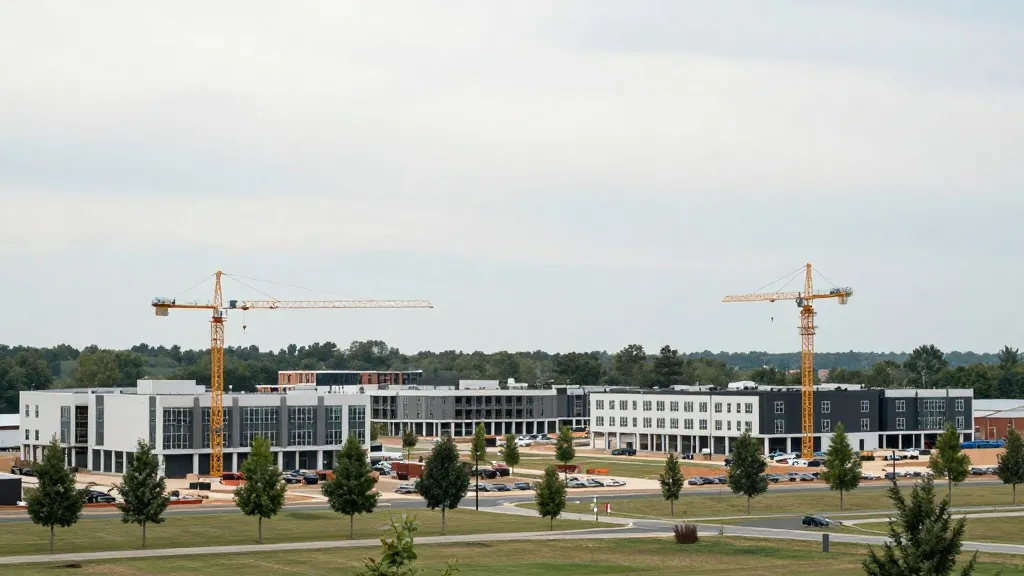
Wolf Packs Displaced by 1,300 Acres of Mud: The Human Cost of Finland's AI Rush
Local residents report increased wolf activity in their villages following unauthorized forest clearings for new data centers, prompting regulatory orders to halt construction.
By Yasmin Farouk ·
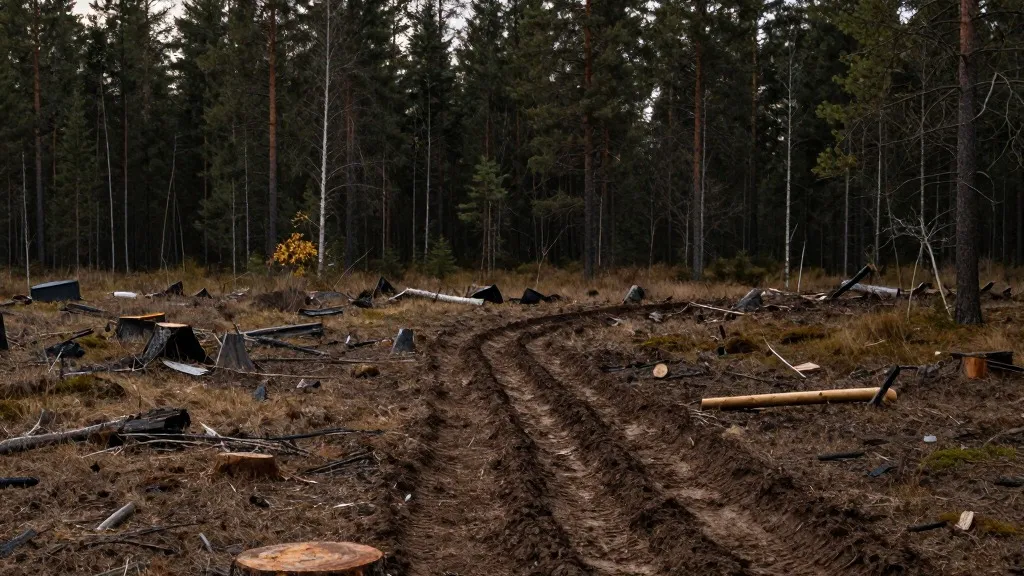
The number 1,300 stands out as a stark measure of the recent environmental shift in southern Finland. This figure represents the approximate acreage of forest cleared by Google for its new AI data center infrastructure, a project that has now turned significant portions of the woodland into expansive areas of mud. The disruption has not only altered the landscape but has also forced local wildlife, including wolf packs that previously inhabited these forests, to seek new territory closer to human settlements.
The most immediate consequence of this displacement is a change in the behavior of local fauna. Residents in villages near the construction sites report that wolves and other wild animals, driven out by the loss of their natural habitat, are now roaming into the countryside. For many families, this represents a serious shift in the local ecosystem and raises safety concerns. Anni Ranta, a 53-year-old resident of Otanmäki whose family has lived in the area for generations, explained that the animals are entering the village because they have been forced to leave the forest. Her account highlights a direct link between the industrial development and the changing dynamics of local wildlife.
Beyond the ecological impact, the situation has sparked broader anxieties among the local population. While environmentalists have long raised concerns about the sustainability of such large-scale projects, this latest development suggests that the issue has moved beyond niche debates. Ranta also expressed a fear that the U.S.-owned data centers could make Finland a more attractive target for Russian aggression. This perspective adds a layer of geopolitical tension to what is primarily an environmental and logistical dispute, illustrating how infrastructure projects in border regions can carry significant strategic weight.
The regulatory response has been swift and firm. The Finnish Licensing and Supervision Authority (LVV) has issued an order for Google to cease work in the areas where roughly 500 acres of forest have already been cleared near Otanmäki. Additionally, the authority has ordered a stop to development activities near Muhos, where 816 acres of forest were transformed into mud due to unauthorized clearings. A representative for the Finnish Association for Nature Conservation (SLL) described Google’s adherence to environmental policy as having been "unprecedented and clear" in its flouting of regulations. The authority’s intervention signals that regulators are taking a hard line on the company's recent activities.
Google has responded to the situation with a statement of compliance and a desire for continued dialogue. A company spokesperson stated that they will "fully comply with LVV’s requests in this matter" and look forward to maintaining an active conversation with all authorities. The company aims to strengthen its partnership with Finland and local organizations, likely hoping that the promised business benefits of the data centers will ultimately sway both the government and regulators. However, the company’s country manager has already apologized for the unauthorized forest clearings near Muhos, acknowledging the severity of the impact on the local environment.
This incident is part of a broader pattern of complaints from communities hosting AI data center developers. Locals in Finland have voiced grievances about construction noise, streams turning brown, and rare bird species being pushed out of their habitats. These concerns mirror those seen in the United States and other countries where similar infrastructure projects are underway. The recent report underscores that the environmental footprint of the AI boom is becoming a tangible reality for local residents, who are often left to deal with the immediate side effects of rapid technological expansion.
The situation in Finland serves as a case study for the challenges facing tech giants in balancing rapid infrastructure growth with local environmental regulations. With the government already having given notice to stop construction in Muhos and Kajaani earlier this month, the path forward will likely require significant negotiation. As the industry continues to expand, the interplay between corporate ambition, regulatory oversight, and community impact will remain a critical area of focus for observers in the tech and environmental sectors.
Source: Tom's Hardware