25 Years Ago: Apple's $399 iPod Put 1,000 Songs in a Card-Sized Box
The original iPod, unveiled in October 2001, combined 5GB of storage with FireWire connectivity to redefine portable music for a quarter-century audience.
By Jasmine Coleman ·
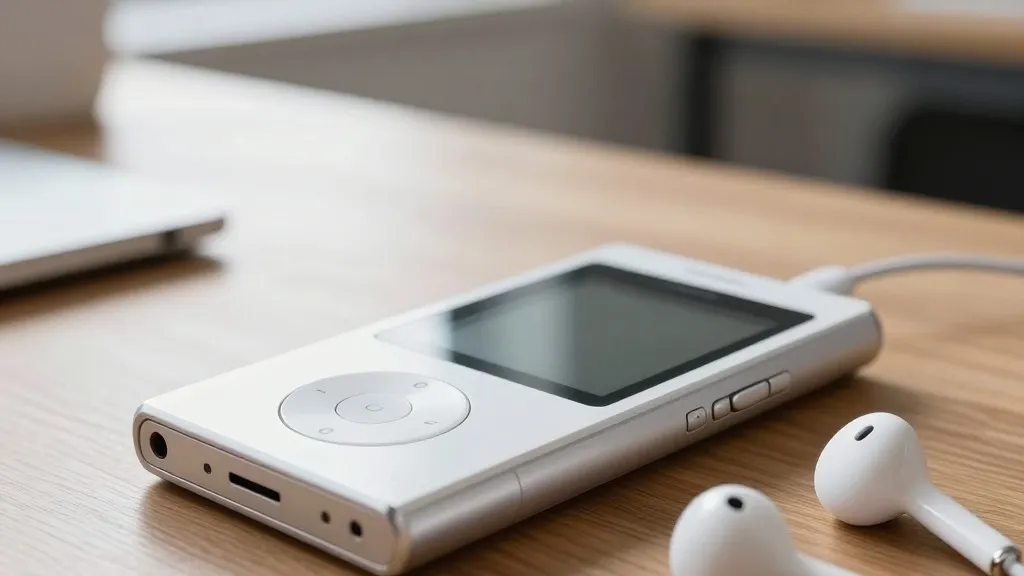
Apple executive Steve Jobs introduced the original iPod on October 23, 2001, marking a pivotal moment in consumer electronics. The device, priced at $399, was designed to hold an entire music collection in a form factor comparable to a standard deck of cards. This announcement occurred during a period when Apple was stabilizing its financial footing after the dot-com bubble burst, having already established a strong presence with the iMac and iBook lines. Jobs positioned the new gadget as a breakthrough that was not a Mac, signaling a shift toward portable digital media for the average consumer.
Before the launch, the portable music market was fragmented among several competitors. Companies such as Creative, Sonic Blue, and Sony offered various digital players, but Jobs argued that none had yet perfected the user experience. He identified hard disk-based players as the optimal entry point for Apple, distinguishing them from CD players, MP3 CD players, and flash memory devices available at the time. The iPod was engineered to offer CD-quality sound while supporting the dominant audio formats of the era, including MP3, WAV, and AIFF files.
Central to the device's appeal was its storage capacity of 5 gigabytes. This allowed users to store approximately 1,000 songs, assuming a typical pop track encoded at 160Kbps. Jobs emphasized that this capacity represented a user's entire library for many people. The physical dimensions of the player measured 2.4 by 4 by 0.78 inches, weighing just 6.5 ounces. This lightweight design was made possible by a 1.8-inch hard drive from Toshiba, which was only 0.2 inches thick, allowing the unit to be lighter than most mobile phones of that period.
Connectivity was a major differentiator for the first-generation iPod. The device featured a single FireWire 400 cable for both data transfer and charging. Jobs highlighted the speed of this connection, claiming it could transfer an entire CD of music in five to 10 seconds. In contrast, he noted that USB connections of the same era required approximately five minutes for the same task. For a full library of 1,000 songs, the FireWire connection reduced the loading time to about 10 minutes, whereas a USB-based player would take roughly five hours.
The hardware included a rechargeable lithium-polymer battery capable of 10 hours of continuous playback. Apple stated that an empty battery could reach 80 percent charge in one hour. The interface relied on a scroll wheel equipped with a piezoelectric clicker to provide tactile feedback. This design allowed for single-handed operation and rapid navigation through playlists, artists, or specific tracks. During the initial presentation, Jobs demonstrated the system by playing "Building a Mystery" by Sarah MacLachlan.
Software integration played a crucial role in the product's launch strategy. iTunes 2 was released on the same day, introducing features such as MP3 CD burning and support for the new player. A key function was Auto-Sync, which ensured that any library customized on a Mac would automatically update the portable device upon connection. The iPod also functioned as a FireWire hard drive, allowing it to store other digital files beyond music. Jobs described the design as minimal and durable, aiming to deliver Apple's traditional ease of use in a portable context.
The success of the original iPod paved the way for a long product line that dominated the market for over a decade. The device remained a staple in Apple's portfolio until the rise of the smartphone. The first iPhone arrived in early 2007, more than five years after the iPod's debut. Both products coexisted in the company's lineup for many years, though the iPod's relevance gradually declined as phones integrated music capabilities.
The final model in the series was the seventh-generation iPod Touch, released in May 2019. While Apple stopped actively maintaining the line after that release, the product was not officially discontinued until May 2022. The 2001 launch is now viewed as a foundational event in the history of personal digital assistants and mobile music consumption.
Source: Tom's Hardware